
An Evolving Workforce Requires an Evolving Workplace
The reality is that our needs change over time. Mobility, strength and dexterity can all be affected by age, injury or health conditions, and workplaces need to be prepared to accommodate these changes. Inclusive design is not simply about meeting compliance requirements; it's about creating environments that work for everyone.
As organisations look to retain experienced employees and attract talent from a broader demographic, creating accessible workplaces should be seen as an essential part of long-term planning.
The Often-Overlooked Importance of Washroom Accessibility
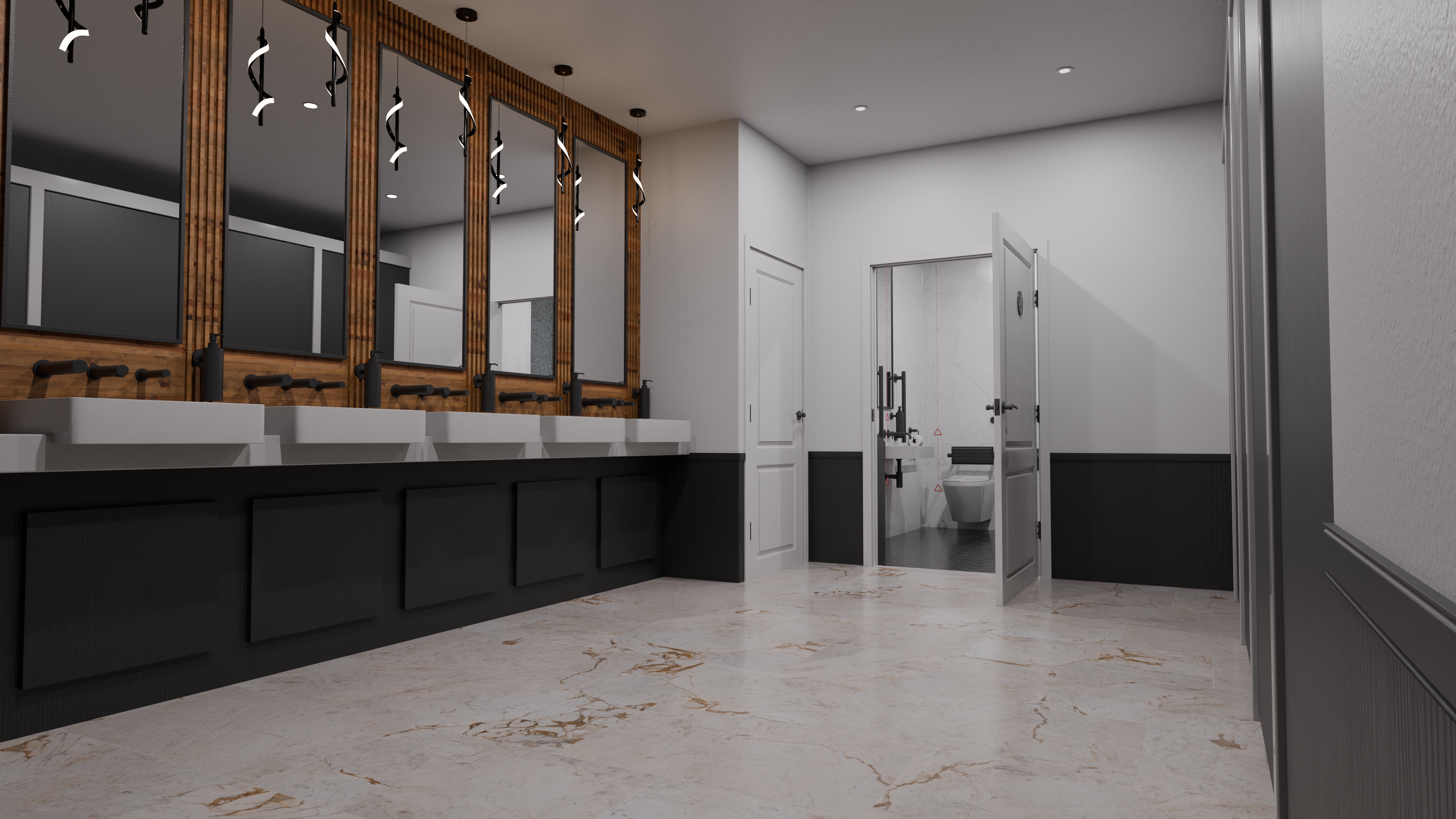
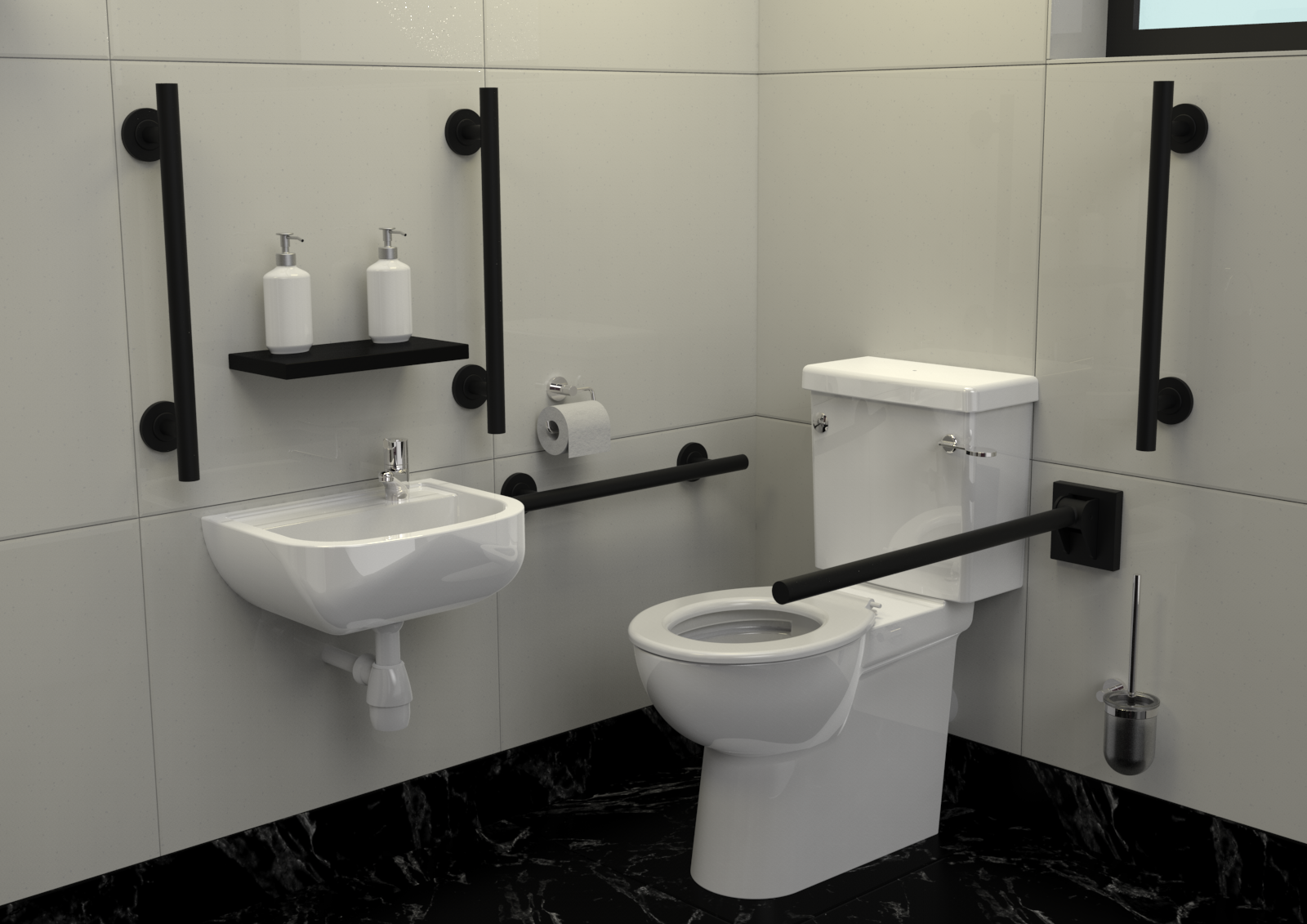
One area that is frequently overlooked is the workplace washroom. Despite being one of the most used spaces within any commercial building, accessibility is often only considered when a refurbishment is already underway or when specific requirements arise.
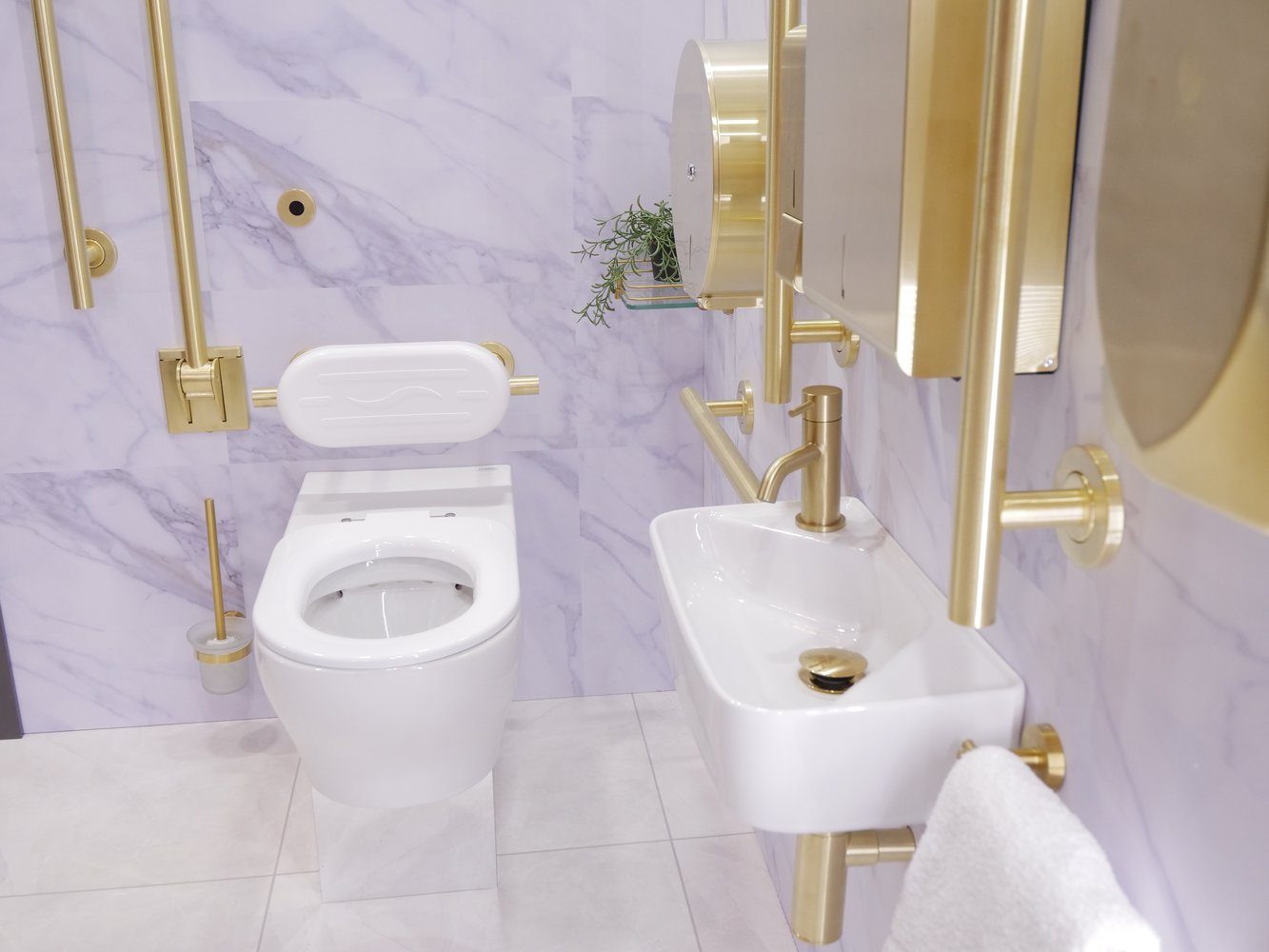
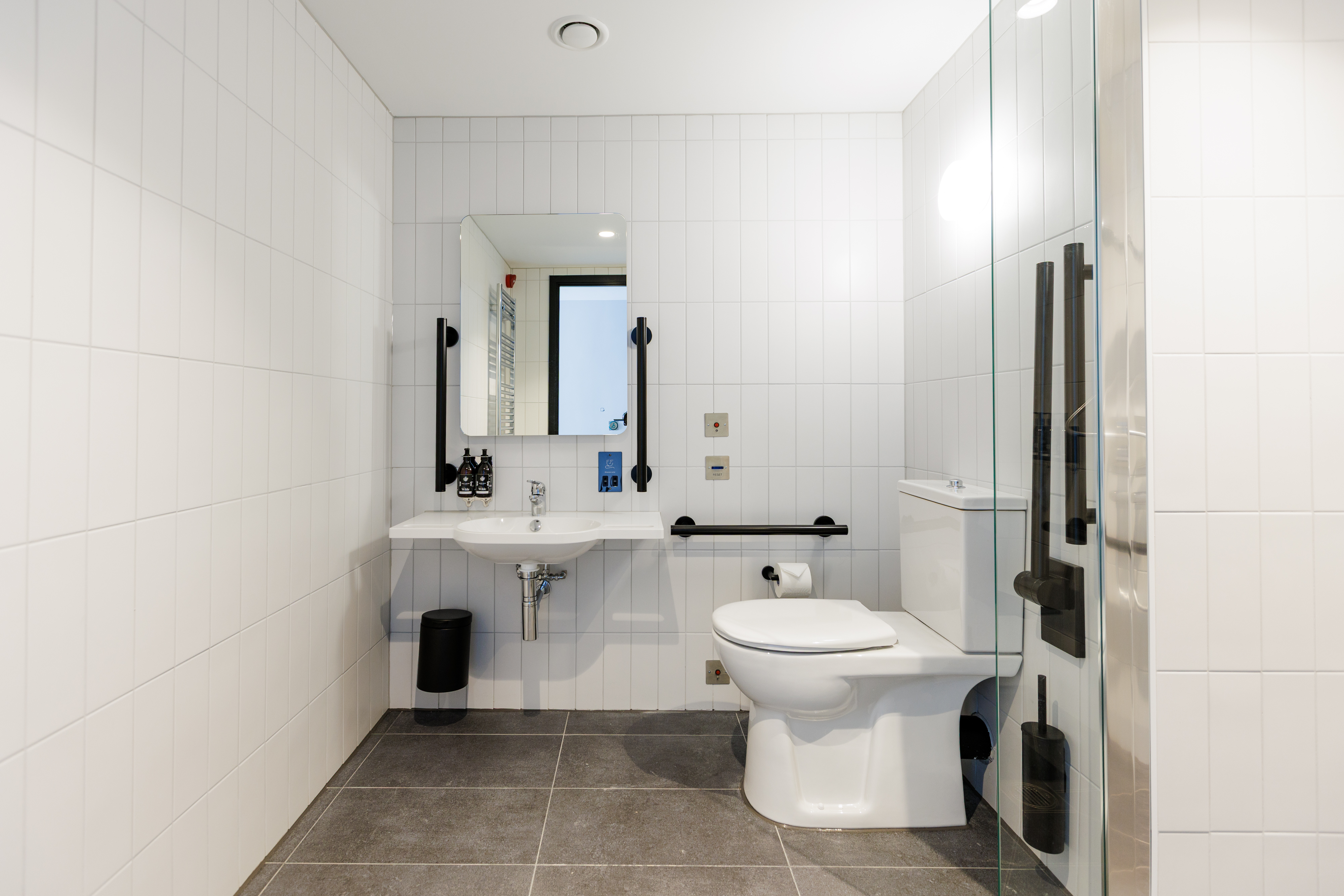
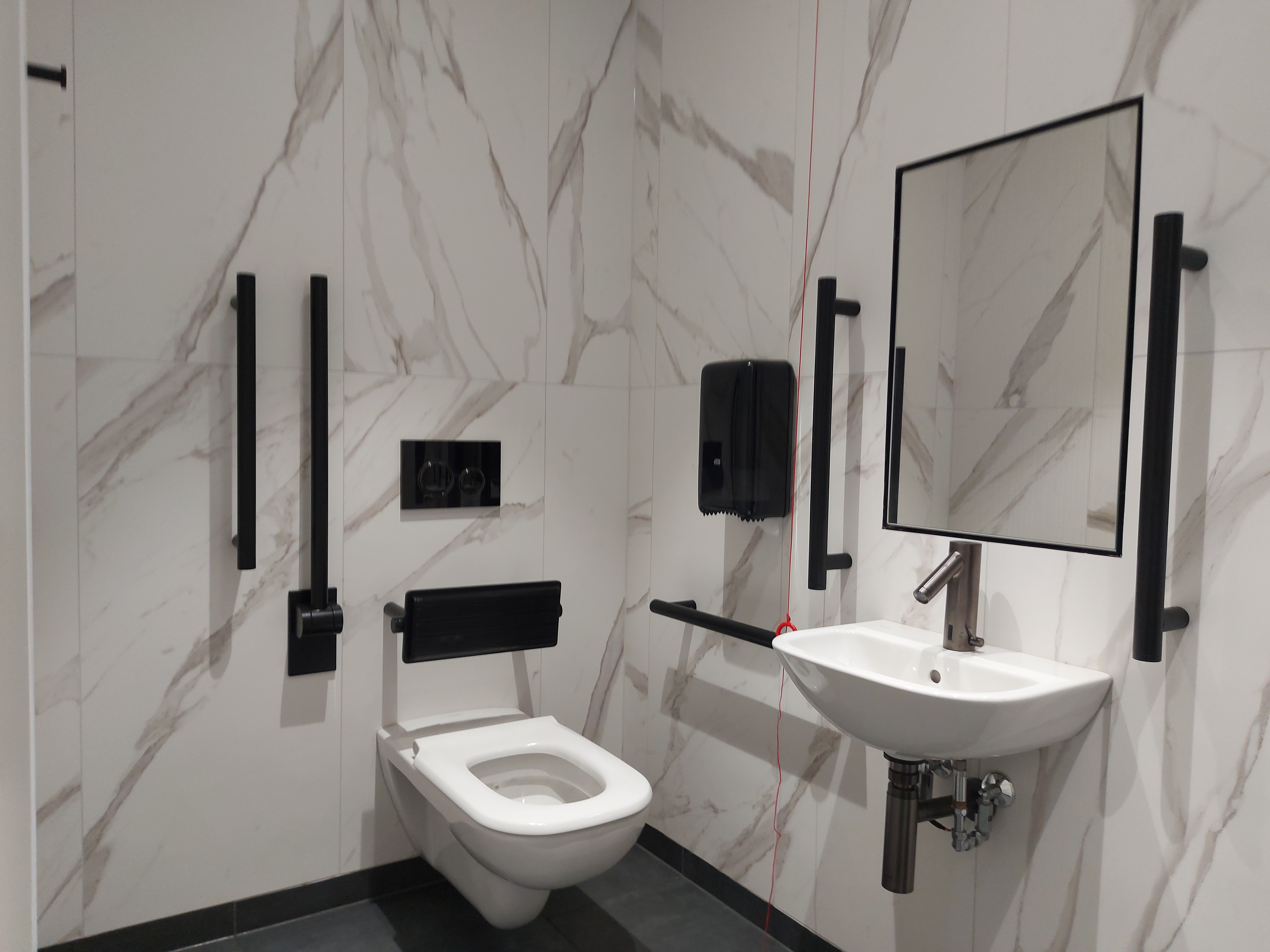
However, simple design decisions can have a significant impact on the user experience. Features such as thoughtfully positioned support rails, accessible layouts, adequate circulation space and intuitive fixtures make facilities easier and more comfortable to use for a wide range of people. Importantly, these
improvements benefit not only employees but also visitors, customers and contractors who interact with the building.
Accessibility as a Long-Term Investment
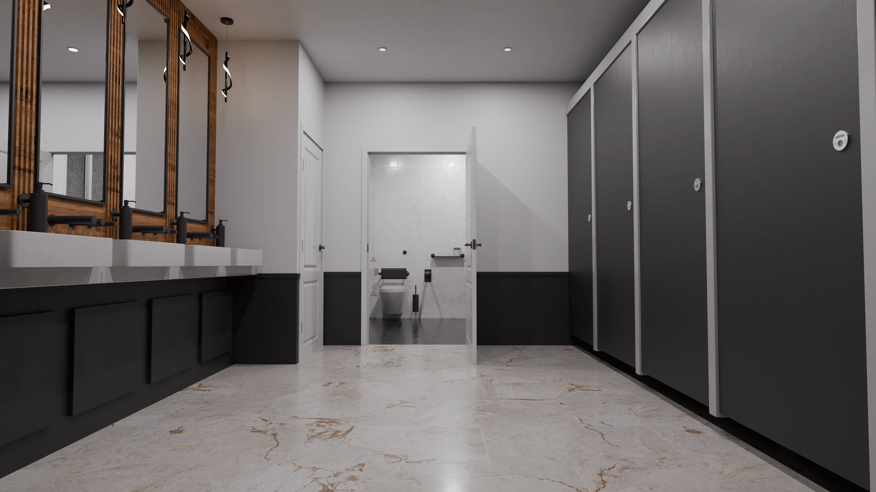
Forward-thinking organisations are increasingly recognising that accessibility should be viewed as a long-term investment rather than a reactive measure. Incorporating inclusive design principles during refurbishment projects or at the specification stage helps future-proof commercial buildings, reduces the need for costly adaptations later and supports broader business objectives around wellbeing, diversity and employee retention.
By considering accessibility early in the design process, businesses can create spaces that remain functional and adaptable as workforce needs continue to evolve.
Future-Proofing Commercial Buildings
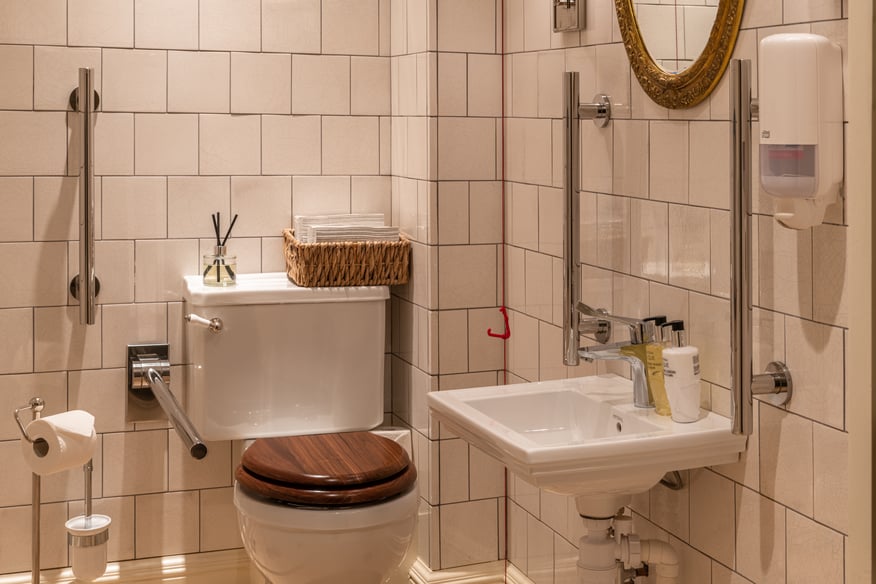
Forward-thinking organisations are increasingly recognising that accessibility should be viewed as a long-term investment rather than a reactive measure. Incorporating inclusive design principles during refurbishment projects or at the specification stage helps future-proof commercial buildings, reduces the need for costly adaptations later and supports broader business objectives around wellbeing, diversity and employee retention.
By considering accessibility early in the design process, businesses can create spaces that remain functional and adaptable as workforce needs continue to evolve.
Working on a new commercial project? We’ve just launched our new Oxford Doc M Pack - a smarter and quicker way to specify inclusive design. Read more about it here.