
Working with the character of an existing building
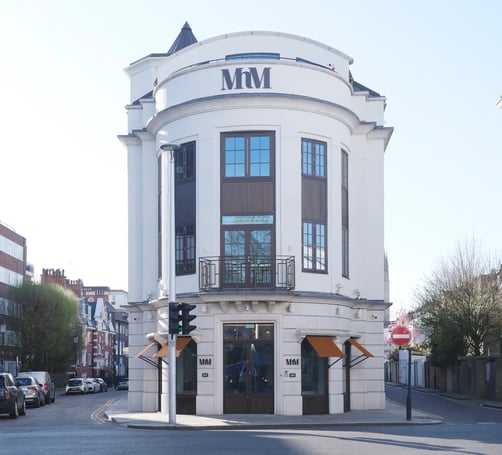
Refurbishing a historic or characterful venue often means working within constraints. Narrow corridors, uneven floor levels, compact washrooms and original architectural details can all influence what is possible.
Rather than treating these features as barriers to progress, a considered approach starts by understanding the building and identifying where improvements will have the greatest impact. Early collaboration between owners, designers, access consultants and other project stakeholders can help establish practical solutions that respect the existing architecture while addressing the needs of a wider range of guests.
In some cases, this may involve rethinking a layout or making better use of available space. In others, carefully selected products and finishes can improve usability without requiring extensive structural changes.
The aim is not to remove a building's character, but to ensure that its design continues to serve the people using it.
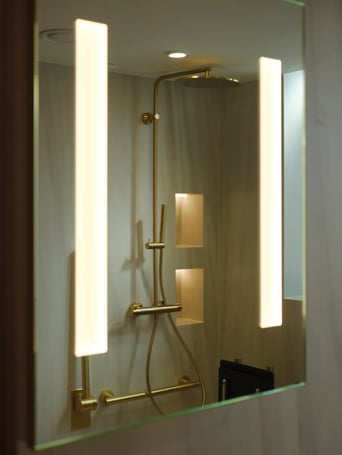
Making accessible washrooms part of the wider design
Accessible washrooms are an important consideration in hospitality refurbishments, particularly where space is limited and existing layouts offer little flexibility.
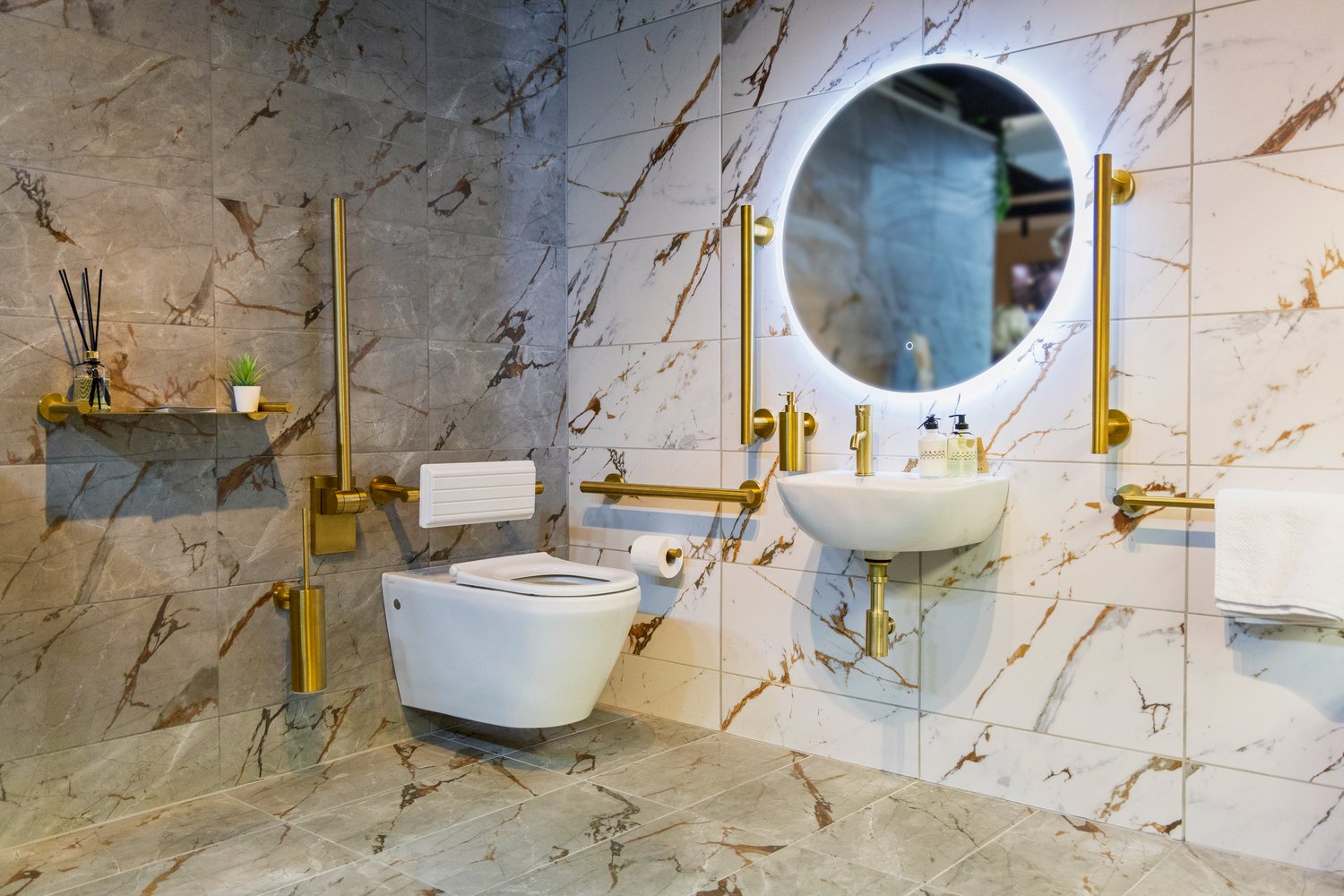
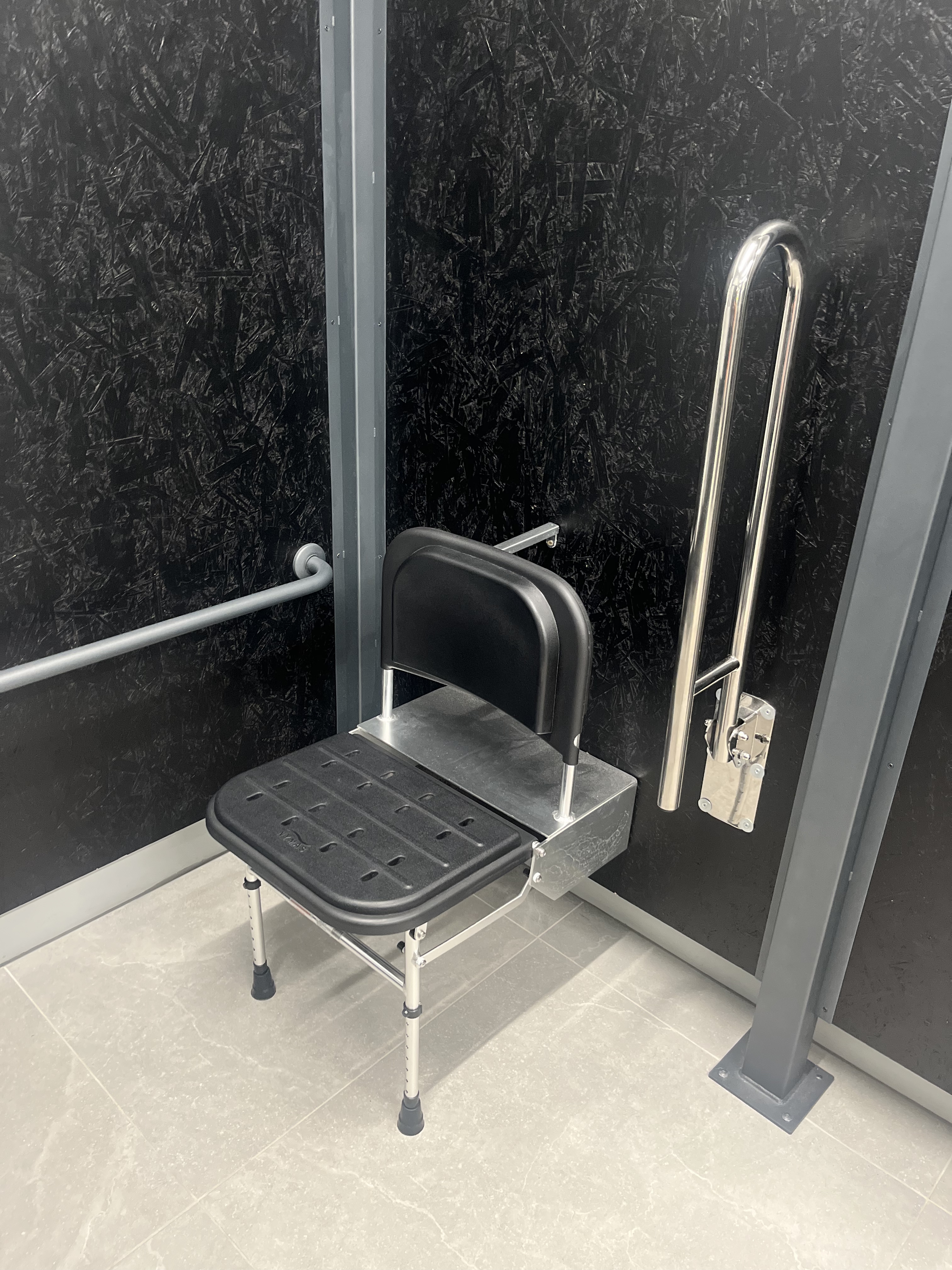
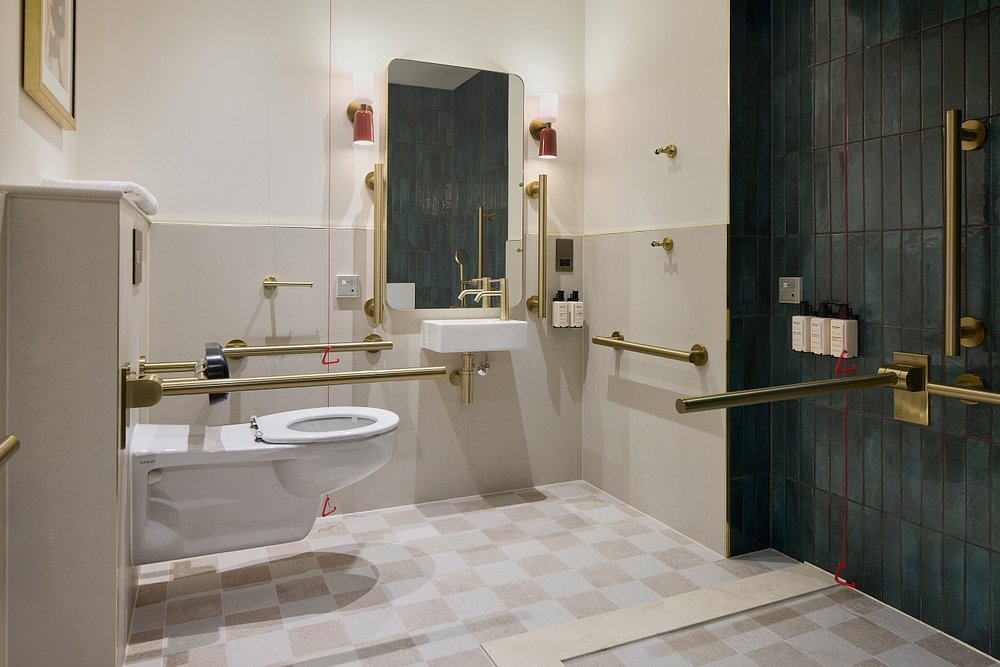
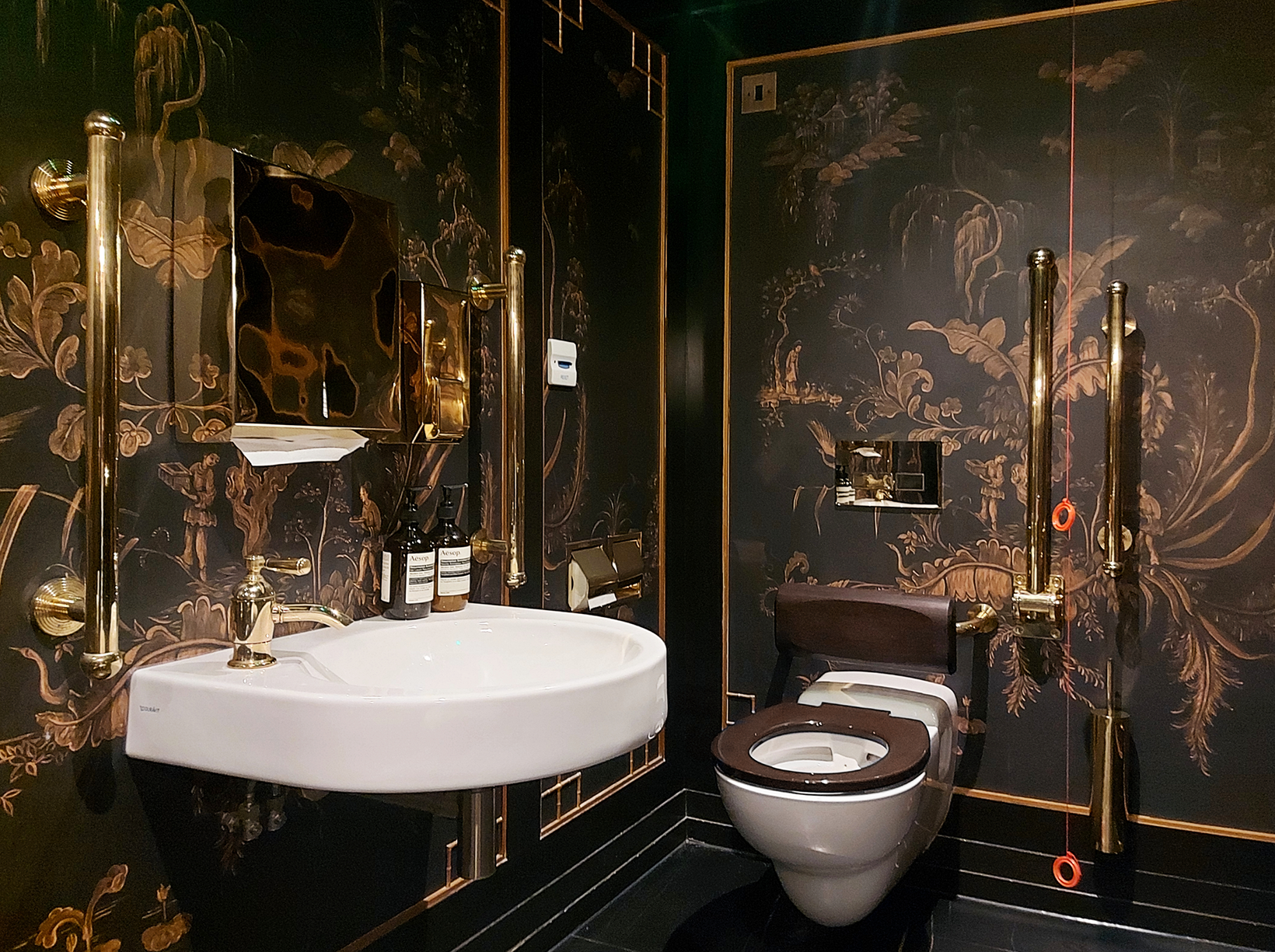
Features such as appropriately positioned grab rails, supportive backrests and accessible accessories can help make washrooms more practical to use. Their placement, however, needs to be considered alongside the overall layout, circulation space and the requirements of the intended users.
Product selection also plays a role in maintaining design consistency. Accessible fittings do not need to feel disconnected from the wider interior scheme. Coordinated finishes and considered detailing can help them sit comfortably alongside original materials, contemporary interventions and established decorative features.
For busy hospitality environments, durability and ease of maintenance are equally important. Products must withstand regular use while retaining their appearance over time, helping venue teams maintain a welcoming, well-presented space.
At Fitzroy, our accessible washroom products are designed to bring together functionality, quality and considered aesthetics, supporting specifiers in creating spaces where accessibility forms part of the overall design.
Balancing heritage with modern expectations
Inclusive access involves more than meeting minimum requirements. Guests have different needs and a welcoming venue should consider how people move through and use a space, from arrival to departure.
For older buildings, achieving this may require a tailored approach. Every property has its own constraints and proposed improvements should be assessed against the relevant accessibility guidance, building regulations and, where applicable, heritage considerations.
Planning accessibility early can help project teams identify potential challenges before they become costly to resolve. With the support of Fitzroy’s Specification team, who can provide expert technical advice throughout the process, informed decisions can be made about layouts, products and finishes as part of a cohesive refurbishment strategy.
Designing for every guest
Preserving architectural character and improving accessibility need not be competing priorities. With early planning, collaboration and careful product selection, hospitality venues can retain their individuality while responding to the expectations of today's guests.
At Fitzroy, we believe accessible design should be considered from the beginning, not added as an afterthought. By bringing usability, durability and aesthetics together, specifiers can help ensure that characterful buildings remain welcoming, functional and relevant for the people who use them.