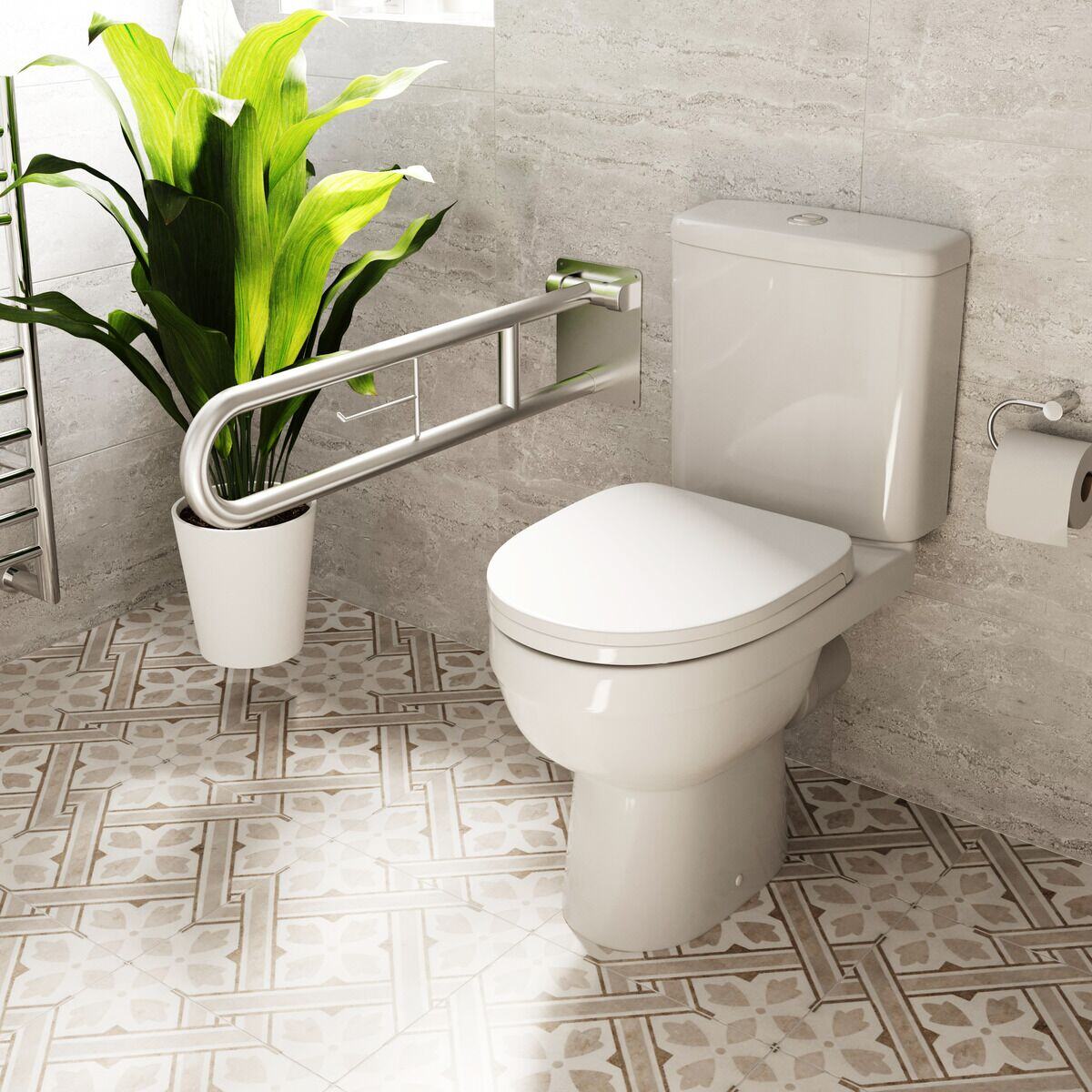



What Is Approved Document T?
Approved Document T is statutory guidance supporting Requirement T1 of Schedule 1 of the Building Regulations 2010. It defines standards for toilet accommodation in non‑domestic buildings, including layout, privacy levels, and the provision of universal, accessible, and single‑sex facilities.
Introduced in stages, the guidance took effect from 1 October 2024, with clarified rules and minor amendments issued through 2025.
Why Document T Was Introduced
Public and industry feedback highlighted rising concerns around:
- Loss of single‑sex toilet provision
- Inconsistent design standards across commercial buildings
- Confusion driven by the rise of unisex-only facilities
- Insufficient clarity on accessibility expectations
Document T was developed to protect privacy, strengthen accessibility, and offer clear, consistent design requirements across England’s non‑domestic sectors.
Where Document T Applies
Approved Document T applies to “building work” in non‑domestic buildings, including:
- New builds
- Extensions
- Material alterations
- Material changes of use
Exemptions
Document T does not apply to:
- Dwellings
- Schools (governed by separate standards)
- Early years provision
- Prison cellular accommodation
- En‑suite toilets in hotels, care homes or similar
Types of Toilet Accommodation Under Document T
Document T defines four toilet types, each with differing privacy and accessibility levels:
Type A - Fully Enclosed, Self‑Contained Ambulant Universal Toilet
Often referred to as “superloos”, these include enhanced accessibility features.
Type B - Fully Enclosed, Self‑Contained Universal Toilet
Private, individual-use facilities without the enhanced accessibility of Type A.
Type C - Ambulant Single‑Sex Toilet Cubicle
Non-self-contained cubicles within a larger gendered washroom.
Type D - Standard Single‑Sex Toilet Cubicle
Standard cubicle provision within male or female washrooms.
Single-Sex vs Universal Toilets: How Document T Prioritises Them
The guidance is clear:
- Single‑sex toilets are the default requirement.
- Universal toilets can be added in addition to single‑sex facilities.
- If space makes single‑sex provision impossible, fully enclosed universal toilets must be provided.
This reinforces privacy, safety, and dignity - particularly in high‑traffic public or commercial settings.
Key Design Requirements in Document T
Document T includes prescriptive guidance around:
Privacy & Enclosure
All universal toilets (Type A & B) must be fully enclosed with:
- A floor-to-ceiling door
- Integrated handwashing facilities
- Hand drying provision
Accessibility & Inclusivity
Document T complements Approved Document M, ensuring facilities are accessible and inclusive.
Where space allows, designers should integrate facilities for varying user needs - including ambulant users, wheelchair users (via Document M), and those requiring Changing Places facilities (where applicable).
Minimum Provision Requirements
Document T details the quantity and configuration of facilities required relative to building purpose and occupancy load.
Transitional Arrangements You Need to Know
If a building control application was submitted before 1 October 2024, Document T may not apply - provided the project is sufficiently progressed by defined deadlines.
“Sufficiently progressed” includes:
- For new buildings: permanent foundation works started
- For existing buildings: refurbishment work underway
This is crucial when planning washroom refurbishments or phased rollouts.
Implications for Washroom Designers & Specifiers
Document T now necessitates:
- More private, self-contained washrooms
Market demand for “superloo” layouts continues to rise, and Document T aligns closely with this trend.
- Clear separation of single-sex and universal options
Relying solely on unisex facilities is no longer compliant in most scenarios.
- Greater emphasis on accessibility and inclusivity
Facilities must reflect the needs of diverse users and comply with multiple regulatory documents.
- Earlier design-stage planning
Because Document T affects spatial configuration and mechanical requirements, decisions must be made earlier in the design process.
The Document T Shift
Document T marks a major shift in UK washroom design standards, requiring more thoughtful, privacy‑centred, and inclusive approaches. Understanding the new typologies, transitional rules, and design expectations is essential for delivering compliant, high‑performance washroom environments.
Fitzroy of London will continue helping designers, developers, and architects deliver spaces that exceed both regulatory and aesthetic expectations.
How Fitzroy of London Can Advise
Document T Compliance
As specialists in premium washroom furniture and architectural hardware, Fitzroy of London is ideally placed to ensure Document T compliance through:
- Fully enclosed superloo technical guidance
- Cubicle hardware for Type C & D facilities
- Custom layouts supporting mixed-provision environments
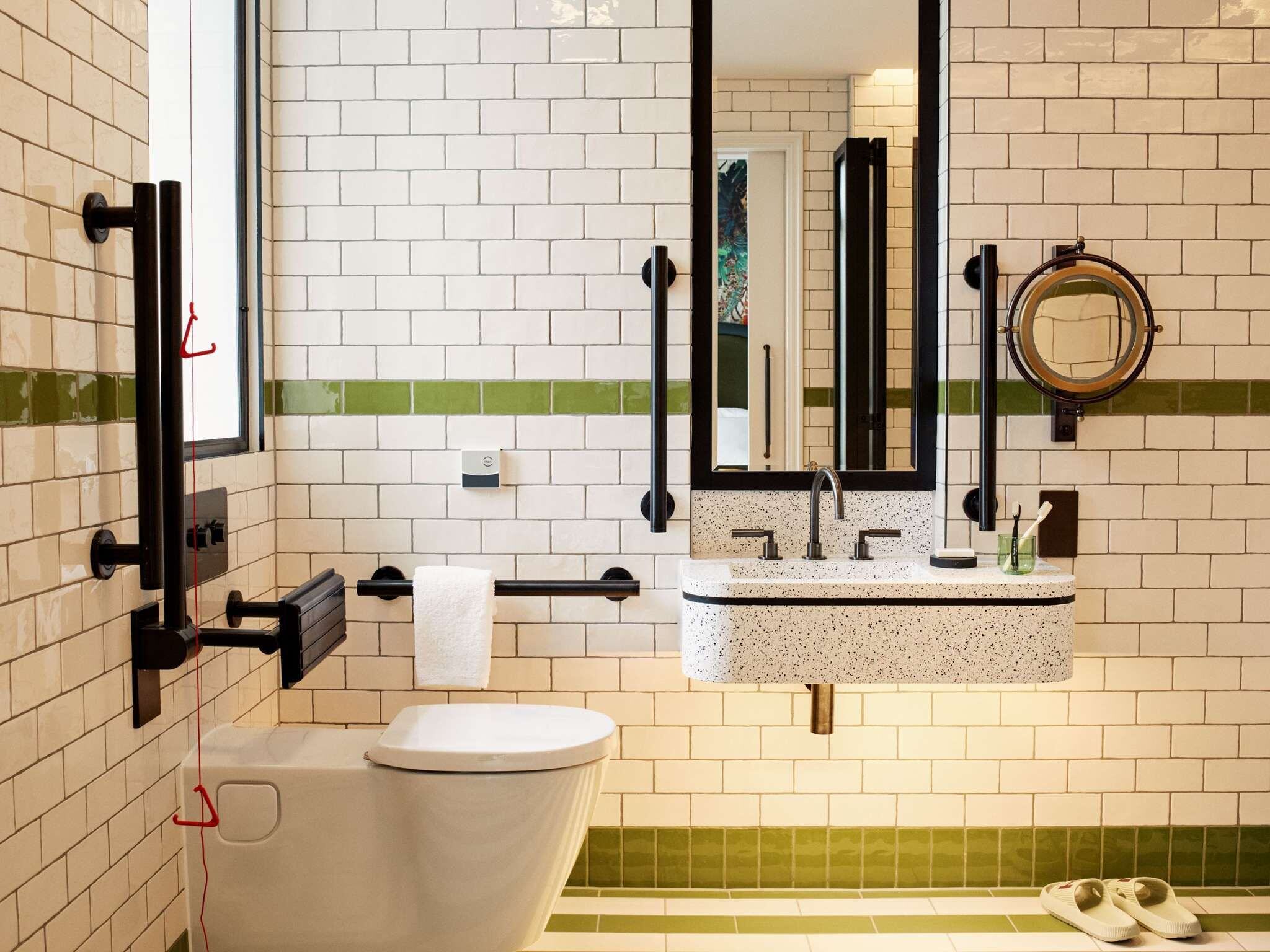
- Accessible fittings aligned with Document M and BS 8300
If your upcoming project requires support interpreting Document T or designing compliant washroom environments, our technical team is ready to assist.
Fitzroy of London’s Inclusive Commercial Washrooms, RIBA-Approved CPD
Whether you’re an architect, designer, manager, specifier or interior designer, book your CPD with us today to explore how high-end design and accessibility can coexist to create beautiful, functional and inclusive washroom spaces.
Where: Online or face-to-face
When: Whenever works for you
Duration: 60 – 90 minutes
Contact us today to learn more or book your CPD session.


_Label%20as%20this.jpg)