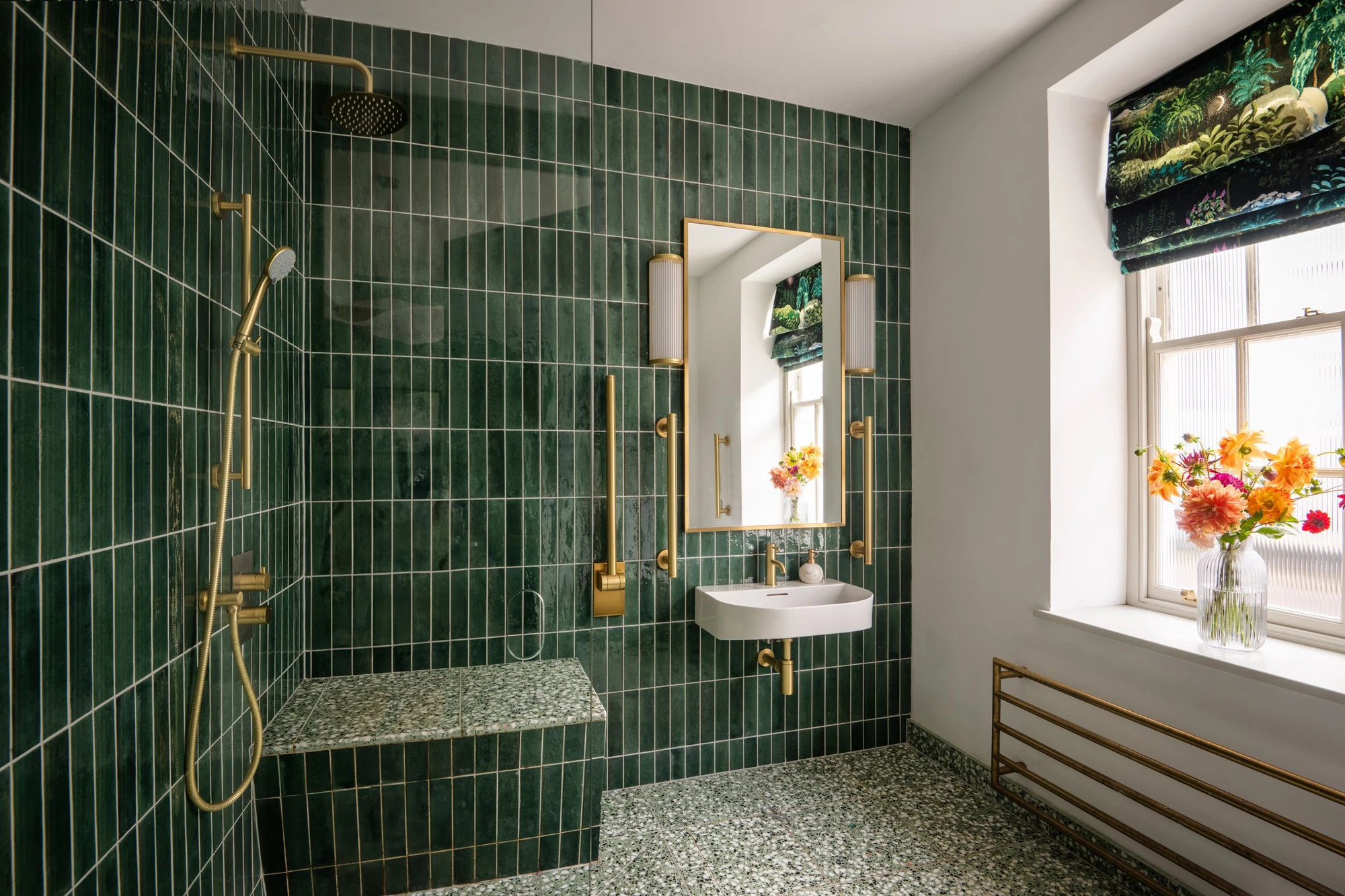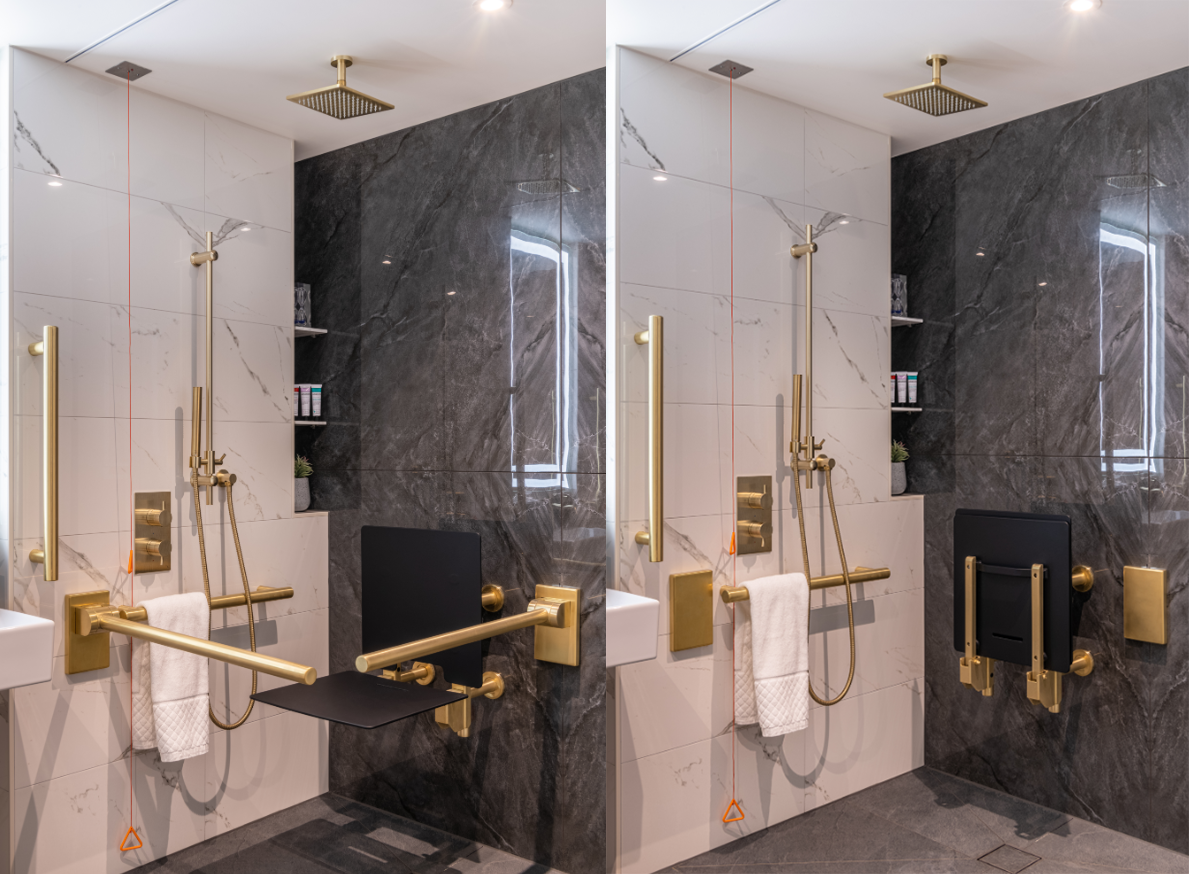


Flanged Accessible Bathroom Fittings
Flanged fittings remain the most recognised solution in accessible washrooms. The “flange” refers to the plate at the base of the fitting that covers or incorporates the fixing points.
However, not all flanges are created equal. In modern accessible design, they fall into two clear categories: Flanged (exposed & concealed) and Flangeless.
Flanged with Exposed Fixings
Purposeful, Practical, and Visibly Engineered
These fittings feature a visible flange with fixings that remain on show. They are engineered for environments where functionality, visibility, and durability take precedence.
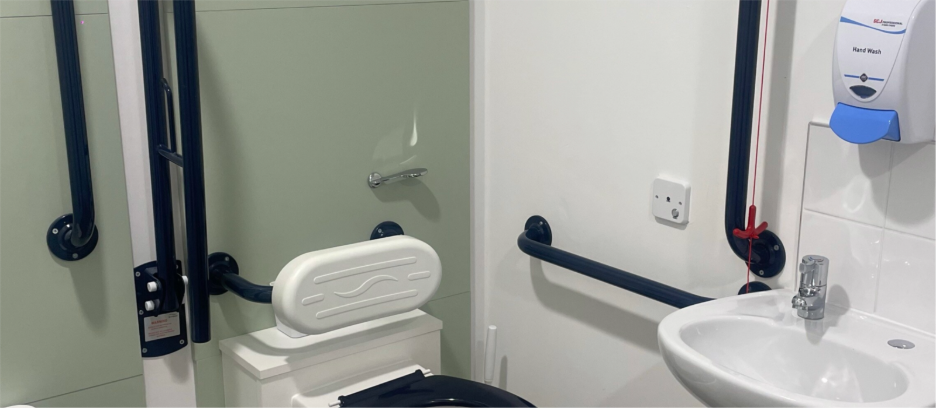
Key Benefits
- Straightforward installation: Fixing points are directly accessible, reducing installation time.
- Reliable compliance: Their robust, visible mechanical anchoring makes regulatory load performance easy to verify.
- Practical maintenance: Exposed components allow quick inspection and refurbishment.
- Cost‑efficient: Ideal for projects with high volumes or tight budgets.
Ideal For
- Public transport hubs
- Healthcare and high‑turnover facilities
- Heavy‑duty commercial environments
Aesthetic Consideration
Their industrial appearance is intentional - but may not align with design‑led hospitality or premium commercial spaces.
Flanged with Concealed Fixings
Clean, Refined, and Seamlessly Integrated
Concealed‑fixing flanges maintain the performance of traditional flanged fittings while hiding the screws behind a decorative cover or integrated plate - delivering a more elegant, streamlined look.
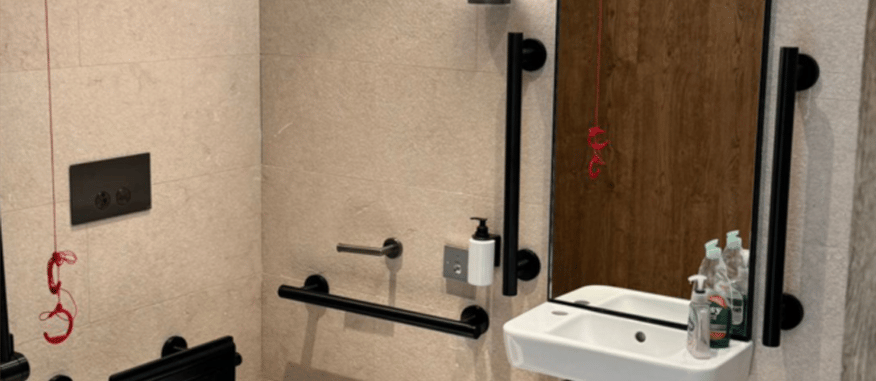
Key Benefits
- Improved hygiene: Fewer exposed edges mean easier cleaning and reduced dirt traps.
- Minimalist appearance: Hardware visibility is reduced for a more refined finish.
- Strong structural performance: The fixing plate remains reliable and load‑tested behind the cover.
Ideal For
- Modern hospitality and commercial spaces
- Premium residential interiors
Installation Consideration
Precision is essential. Concealed systems must be installed accurately to ensure the cover sits flush and the fitting remains compliant - something our technical team specialises in supporting.
Flangeless Accessible Bathroom Fittings
The Ultimate Expression of Minimalist, Architectural Accessibility
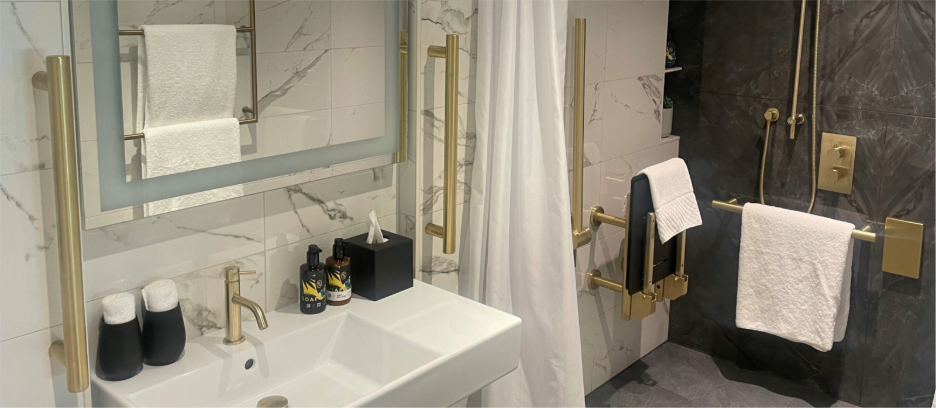
Flangeless fittings are the pinnacle of contemporary accessible design. With no visible flange - or any visible fixing system - they deliver a completely uninterrupted, sculptural form.
Key Benefits
- Total visual purity: The fitting becomes part of the architecture rather than an applied product.
- Advanced engineering: Hidden fixing technology eliminates the need for a traditional flange.
- High‑end appeal: Perfect for projects where accessible fittings must quietly elevate the space.
- Hygienic by design: Smooth surfaces with no visible joints or plates reduce maintenance touchpoints.
Ideal For
- Stylish commercial and hospitality spaces
- Bespoke high‑end residential
- Modern wellness and spa environments
Technical Consideration
Flangeless systems require specialist installation and exceptional product engineering to remain secure, safe, and fully compliant.
How to Choose: Compliance, Purpose, and Design Intent
Specifying accessible fittings isn’t just about choosing a look. It’s about aligning:
- Compliance with BS 8300‑2:2018 and other regulatory standards
- User safety and intuitive operation
- Environmental demands (traffic, cleaning cycles, humidity)
- Design vision and aesthetic cohesion
Fitzroy supports every project with expert technical guidance, load certification, CAD and BIM resources, and installation support to ensure fittings perform exactly as required - without compromising beauty or utility.
Expand Your Accessible Compliance Knowledge
Whether you’re an architect, designer, manager, specifier or interior designer, book your CPD with us today to explore how high-end design and accessibility can coexist to create beautiful, functional and inclusive washroom spaces.
Where: Online or face-to-face
When: Whenever works for you
Duration: 60 – 90 minutes
Contact us today to learn more or book your CPD session.


.jpg?height=1000&name=261125%20(18).jpg)
.jpg)